
E-Beam Sterilization
Fast, clean, cost-effective solutions for medical devices, pharmaceuticals & more.




How does E-Beam Sterilization work?
The e-beam is able to penetrate medical devices and pharmaceutical products in their final shipping containers.
The e-beam inactivates microorganisms either by causing microbial death as a direct effect of the destruction of a vital molecule or by an indirect chemical reaction. Advanced electronics precisely control the use of electrons in the sterilization of medical devices and pharmaceuticals.
The process involves accelerating a beam of electrons to near light speed where it passes through a scan chamber and then transitions into a curtain of electrons.
Materials moving through the chamber on a conveyor system are showered with these high-energy electrons, which penetrate the material with a precise, predetermined dose.
As the largest contract electron beam provider in the U.S., we offer capacity for large volume processing and provide a team of experts to deliver support.
E-Beam Sterilization steps

Product is received and checked in

Boxes are loaded in a single layer on the conveyor

Product passes through a curtain of electrons and is sterilized

Product is released per ISO 11137/13485 and FDA guidelines

Product is promptly returned to you
E-Beam Sterilization Applications
Medical Device Sterilization
Electron beam sterilization (e-beam sterilization) is a safe, effective, and efficient processing technology used to sterilize a wide variety of disposable medical devices.
E-Beam’s medical device sterilization methods are the most efficient and proven solutions in the industry, offering many advantages over other processes, such as ethylene oxide gas and gamma sterilization. Our fast turnaround and variable dosage makes E-BEAM more flexible than most medical sterilization companies.
The E-Beam method of medical device sterilization uses a process that is precisely controlled by advanced electronics and monitored by advanced film dosimeters.
We typically sterilize medical products in their final packaging, giving us the ability to ship direct to customers, thereby saving you time and money. The rapid sterilization process and low cost pricing allows you to practice just-in-time inventory by scheduling shipments when you need them, as often as you need them.
E-BEAM Services prides itself on delivering solutions that provide safe, standardized, and effective processing while maintaining product integrity. With our experienced team of electron beam experts, we can guide you through the regulatory requirements needed to market your sterile medical devices. Validation is consistent with ANSI/AAMI/ISO guidelines, FDA Standards, and GMP Compliance.
E-beam sterilization is a safe, effective, and efficient processing technology used to sterilize a wide variety of disposable medical devices and pharmaceuticals. Processing at E-BEAM is the most cost-effective method for low to medium density products, but not a good fit for extremely dense materials.
- Drug containers
- Sponges
- Bandages
- Labware
- Catheters
- Syringes
- Pipette tips
- Bottles
- Test tubes and swabs used in kits to test for coronavirus
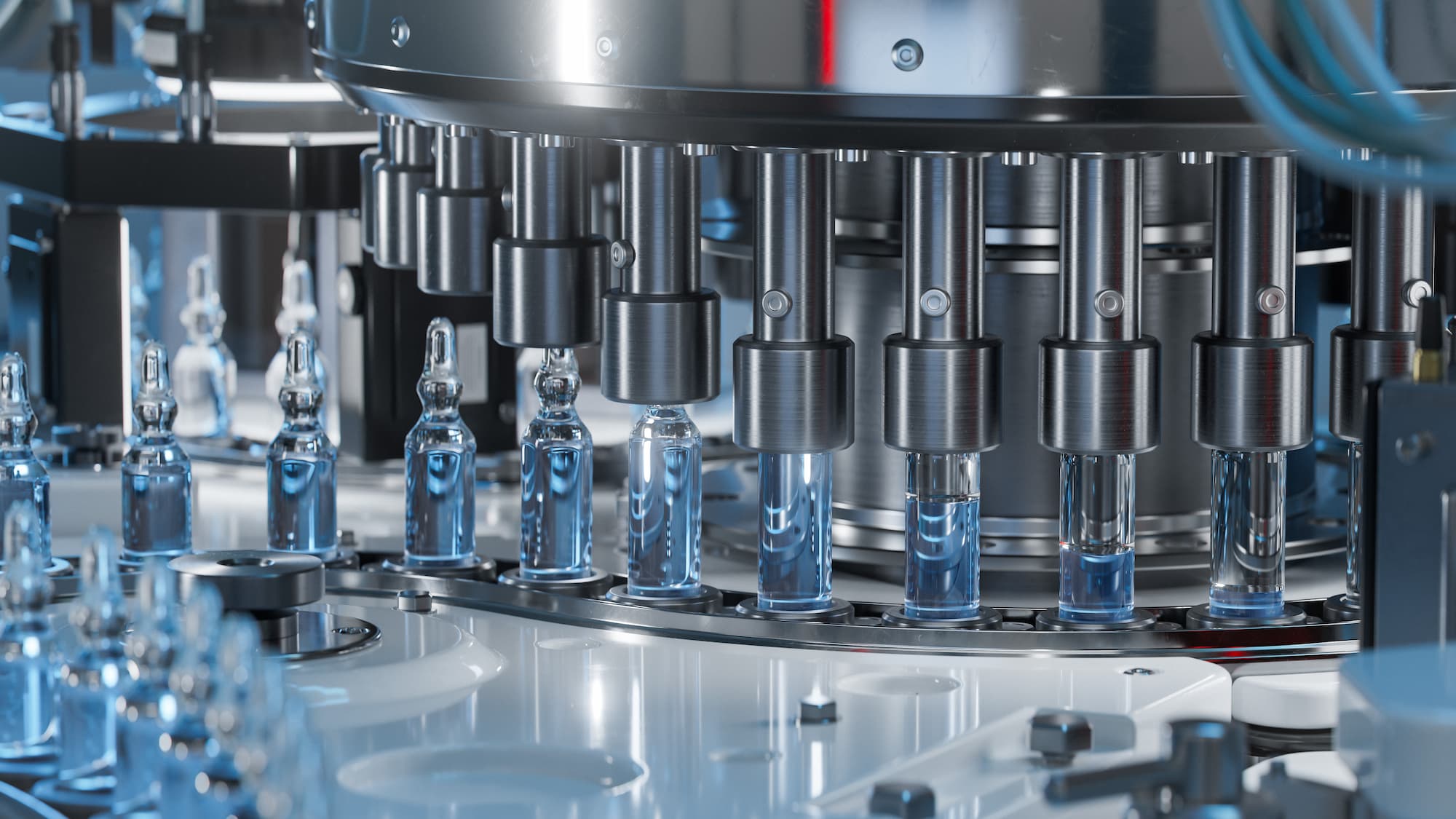
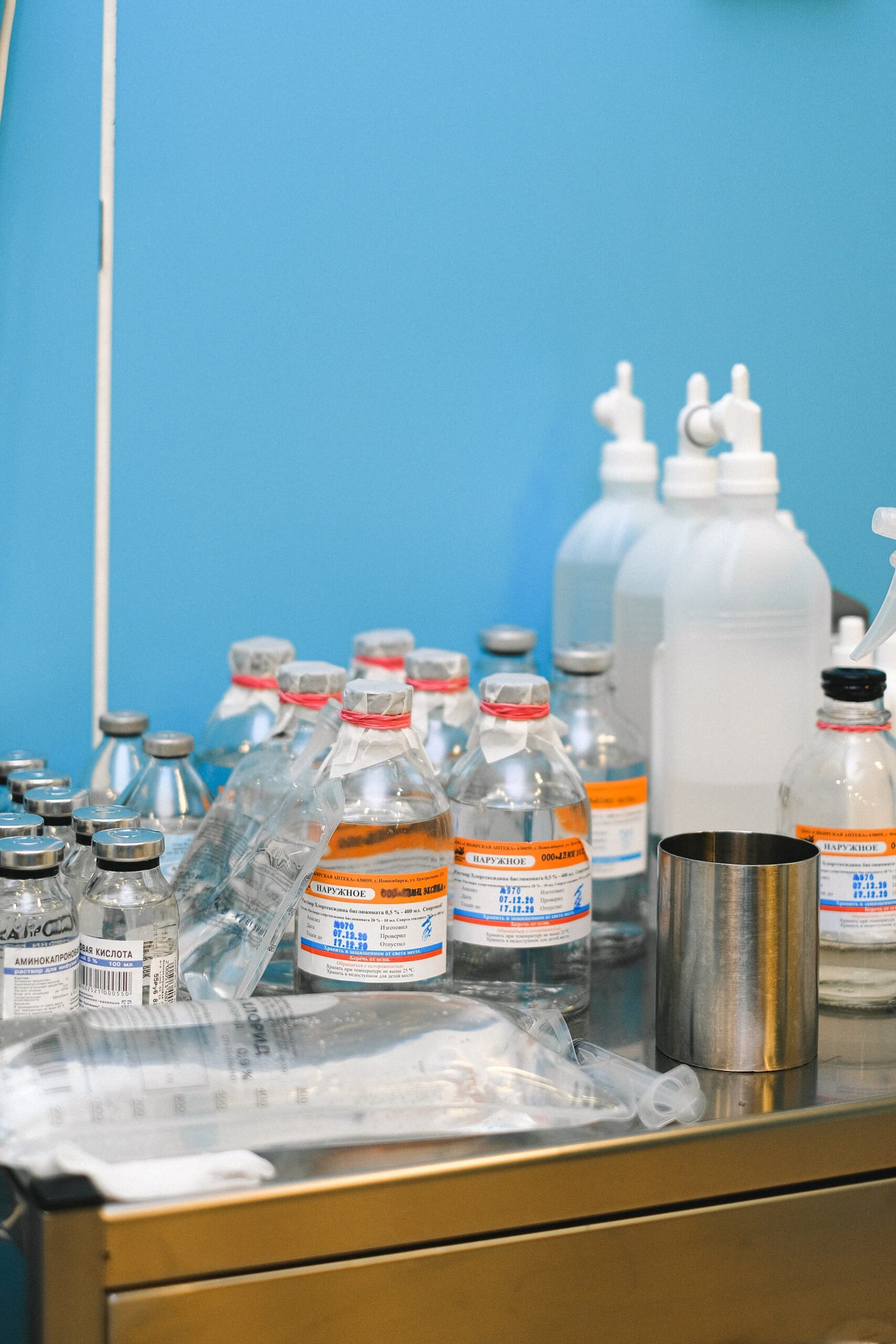
Pharmaceutical & Controlled Substance Sterilization
Sterilization of today’s pharmaceutical products, including drug / device combinations, is a delicate step in the production process.
E-BEAM Services prides itself on delivering solutions that provide safe, standardized, and effective processing to maintain product integrity. The quick dose rate, controlled precise dosing, and ability to sterilize temperature sensitive products efficiently, makes e-beam processing the preferred technology for pharmaceuticals with complex ingredients.
The pharmaceutical sterilization process is precisely controlled by advanced electronics and monitored by advanced film dosimeters. We typically sterilize medical products in their final packaging, allowing the ability to ship direct to customers, thereby saving you time and money by reducing inventory and cutting down on shipping costs.
The rapid sterilization process and low cost pricing allows you to practice just-in-time inventory by scheduling shipments when you need them, as often as you need them. The E-beam pharmaceutical sterilization process is the fastest sterilization method available in the marketplace!
E-beam pharmaceutical sterilization is a safe, effective, and efficient processing technology used to sterilize a wide variety of disposable medical devices and pharmaceuticals.
Processing at E-BEAM is the most cost-effective method for low to medium density products, but not a good fit for extremely dense materials.
- Class III controlled substances
- Active ingredients
- Drug/device comination products
- Ophthalmic products
- Proteins and enzymes
Refrigerated/Cold Sterilization
Cold sterilization enables low temperature molecular stabilization protection — for products that contain heat-sensitive ingredients and yet require sterilization or bioreduction.
Refrigeration can be provided at a range of 1° to 5°C, and frozen storage is offered at a range of -24° to -18°C. Additionally, same-day turnaround using the customer’s own refrigerated vehicles is available.
Our process is precisely controlled by advanced electronics and monitored using state of the art film dosimeters. We typically process products in their final packaging, giving us the ability to ship direct to customers, thereby saving you time and money. The rapid sterilization process and low cost pricing allows you to practice just-in-time inventory by scheduling shipments when you need them, as often as you need them.
The processing is completed in just minutes–this is only possible with e-beam! This means your product spends the least amount of time removed from cold storage as possible, so the temperature increase is minimal.
E-beam cold sterilization is a safe, effective, and efficient processing technology used to sterilize a wide variety of disposable medical devices and pharmaceuticals.
Processing at E-BEAM is the most cost-effective method for low to medium density products, but not a good fit for extremely dense materials.
- Pharmaceutical Products
- Medical Devices
- Tissue Samples
- Biologics


Decontamination
E-beam decontamination is a safe, effective, and efficient processing technology used to eliminate bioburden on a wide variety of products, like labware and ingredients in cosmetics. Many products have bioburdens that could cause problems with their end usage.
E-BEAM Services provides fast, effective, precision controlled, e-beam decontamination services designed to safely reduce or eliminate microbial organisms. This sterilization alternative requires less regulatory compliance and is a good option for manufacturers who are not claiming terminal sterility, but who want the extra assurance of a cleaner product.
Products requiring a bioburden reduction are not subject to the same regulatory requirements as sterilization but are processed in the same manner as sterilization products, so you see the same benefits.
Our method of decontamination uses a process that is precisely controlled by advanced electronics and monitored using state of the art film dosimeters. We typically process products in their final packaging, giving us the ability to ship direct to customers, thereby saving you time and money. The rapid sterilization process and low-cost pricing allows you to practice just-in-time inventory by scheduling shipments when you need them, as often as you need them.
E-beam decontamination is a safe, effective, and efficient processing technology used to eliminate bioburden on a wide variety of products, like labware and ingredients in cosmetics.
Processing at E-BEAM is the most cost-effective method for low to medium density products, but not a good fit for extremely dense materials.
- Equipment for lab usage
- Products for clinical trials
- Ingredients in cosmetics
- Tattoo artist equipment
- Pet food and treats
- Treatment of export products
Validation
In order to comply with regulatory standards, there are certain steps required to develop a validated product.
E-BEAM Services will help guide you through the ANSI/AAMI/ISO 11137 validation requirements for the sterilization of medical devices using radiation, and USP guidelines for the sterilization of pharmaceuticals.
In order to determine if your product is compatible with e-beam sterilization, E-BEAM Services will set up a simple experiment we call a material test. This experiment includes exposing a number of samples to a range of doses to see the effects of the radiation on both the product and the packaging. Not only will the experiment determine the product compatibility, it is also used to determine the maximum acceptable dose for the product.
A typical material test involves:
- Exposing a number of product samples to a range of doses greater than anticipated during routine sterilization.
- The number of samples depends on what you, the manufacturer, need in order to test the functionality of the product.
The wider the range between the minimum and maximum doses, the greater the flexibility there is in the sterilization process – which leads to cost savings for you!
In electron beam processing, a dose map measures the distribution of dose within a case of product.
The process of a dose map involves placing a number of dosimeters within a case of product to identify the location of the minimum and maximum internal doses. The number of dosimeters used and location of the dosimeters depends on the uniformity of the packaging and the geometry of the devices inside–just leave that to us! The dosimetry results show the distribution of dose throughout the case, and each data point is considered relative to a monitored surface dose.
These relationships are then used to create a complete plan for processing your product. The product information required includes: the minimum dose to achieve sterility (usually determined by a micro lab) and the maximum dose allowable (determined by the material test). Using the dose relationships and the minimum and maximum internal dose, we can calculate an acceptable surface dose range, which is used to monitor the routine production process.
After the dose map is completed, we then perform three subsequent dose map validations to verify the initial findings.
Once this work is completed, a formal report is prepared for you with specified processing parameters. This product will then be validated and as long as there are no changes to the product or packaging!
The sterilization dose can be established by a micro lab by determining the actual bioburden of a product and establishing an average, or by using a 25 kGy dose and substantiating it. It is a requirement of ANSI/AAMI/ISO 11137 to audit your sterilization dose before the initial production run, and then at intervals thereafter to ensure that it has not changed. You can read more in this article about why it is important to perform regular dose audits.
The sterilization dose audit is a product validation test designed to establish or confirm the sterilization dose by exposing test product to sub-cycle conditions. Dose audits are then sent to a microbiological lab to be evaluated.
Keep in mind that while E-BEAM Services does not provide microbiological services such as bioburden testing or sterility testing, we can recommend reputable labs who provide these services.

Advantages of e-beam over ETO (also referred to as EO, ethylene oxide, ethylene oxide gas):
Advantages of e-beam over gamma:
Why E-Beam Sterilization Matters to You
- Fast turnaround
- Greater mixed lot flexibility
- No residuals or quarantine
- Processed in original packaging
- Cost effective for low to medium density products
- Technical expertise and consultation services
- Less material degradation than gamma
- Uniform, precise, & controlled dosing
- Environmentally friendly
- Expedited processing available
- Refrigerated/frozen sterilization available
- Regulatory compliance (FDA, AAMI/ISO, GMP, EU GMP)
Are you ready to convert to E-beam Technology?
Contact us to speak with one of our Technical Services reps, or visit our extensive reference library to learn more E-beam sterilization.